

double pane window glass
Understanding Spline Gauge An Essential Tool in Precision Engineering In the realm of precision engineering and manufacturing, the importance of accurately measuring and verifying dimensions cannot be overstated. Among the various tools available for this purpose, the spline gauge stands out as a vital instrument specifically designed to measure the profiles of splines—key components in mechanical systems that transfer torque between shafts. A spline is a series of ridges or teeth on a shaft or hole that allows for a secure mechanical connection between components. Commonly found in automotive drive trains, aerospace applications, and industrial machines, splines must meet precise specifications to ensure proper fit and function. This is where the spline gauge comes into play. What is a Spline Gauge? A spline gauge is a specialized measuring tool used to assess the dimensional characteristics of splines, including their thickness, depth, and spacing. Typically made from high-strength materials such as hardened steel, spline gauges are designed to withstand wear and provide accurate measurements. They come in various shapes and configurations to accommodate different types of splines, including involute splines, parallel key splines, and more. The design of the spline gauge allows for both direct measurement of the spline profile and the ability to check the dimensional tolerances specified in engineering drawings . These gauges often incorporate features such as slots or notches that conform to the specific geometry of the spline, enabling quick and reliable checks. Importance of Spline Gauges spline gauge The use of spline gauges is critical in maintaining quality control in manufacturing processes. As splines are crucial for transferring power, any deviation from the specified dimensions can lead to improper engagement, excessive backlash, or even component failure. Thus, a spline gauge serves as an assurance that each part meets required tolerances before it is used in assembly. Moreover, spline gauges are invaluable in the field of maintenance and repair. Technicians can use these gauges to determine whether a worn or damaged spline can be refurbished or needs replacement. This capability can lead to significant cost savings and extended machinery lifespan. Choosing the Right Spline Gauge When selecting a spline gauge, it is essential to consider the specific type of spline being measured and the precision requirements of the application. Different industries may have varying standards, so the gauge must be compatible with the relevant specifications. It is also advisable to choose a gauge with a robust construction that can endure repetitive use in a workshop environment. Conclusion In summary, the spline gauge is a quintessential tool for ensuring precision in the manufacturing and maintenance of spline applications. By accurately measuring the dimensions of splines, it helps maintain the integrity and functionality of mechanical systems. As technology continues to advance, developments in design and materials will likely yield even more effective gauges, further enhancing the ability to produce high-quality components in diverse industries. For engineers and technicians alike, understanding and utilizing spline gauges are essential for achieving excellence in precision engineering.
about
double pane window glass
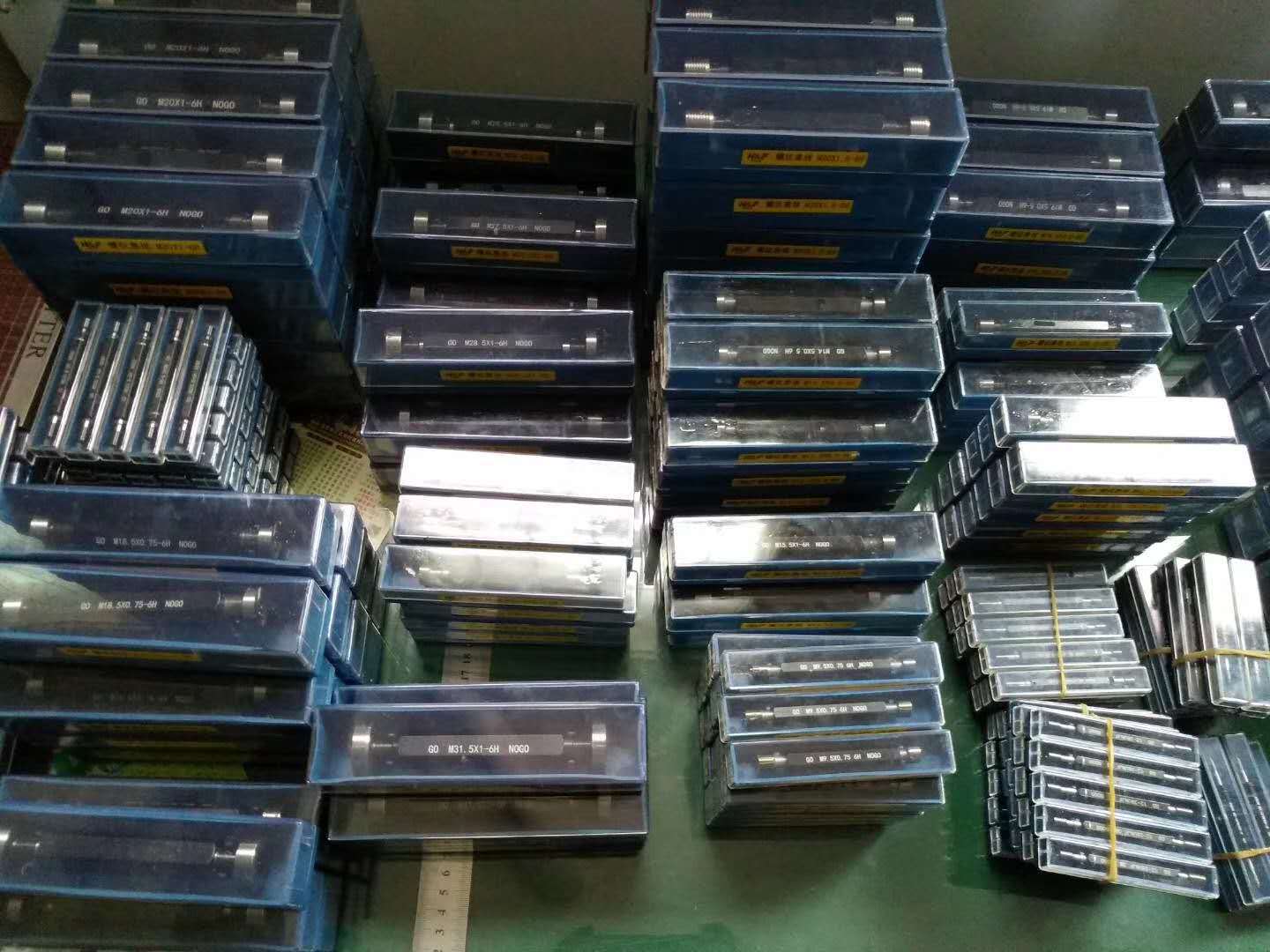
Understanding Thread Ring Gauge Go and No-Go Measurements In the world of precision manufacturing and engineering, ensuring the accuracy and reliability of threaded components is crucial. One of the key tools used for this purpose is the thread ring gauge. This article explores the concept of thread ring gauges, specifically focusing on the Go and No-Go standards. What is a Thread Ring Gauge? A thread ring gauge is a cylindrical tool used to assess the thread dimensions of a workpiece. It is designed to provide a definitive measurement of the thread’s pitch, diameter, and profile. Thread ring gauges come in pairs the Go gauge and the No-Go gauge. Together, they help ensure that threaded components meet strict tolerances, which is vital for the interchangeability and functionality of parts in various applications. The Go Gauge The Go gauge is the first of the pair used in the measurement process. Its primary purpose is to confirm that the workpiece’s threads are within acceptable limits. The Go gauge should fit onto the threaded part without excessive force. If the gauge fits easily, it indicates that the thread cut on the workpiece is acceptable regarding the major and minor diameters and the thread pitch. The Go gauge is usually slightly larger than the minimum allowable size of the thread. This ensures that if a part passes the Go gauge test, it can be safely considered to be within acceptable tolerances for its application. The No-Go Gauge thread ring gauge go no go On the other hand, the No-Go gauge serves a different but equally important role. Designed to ensure that the threaded part does not exceed the maximum allowable size, the No-Go gauge should not fit onto the threaded component. If it does fit, the thread is considered out of tolerance and requires remediation, whether that means reworking the part or scrapping it altogether. The No-Go gauge is usually slightly smaller than the maximum allowable size for the thread. This makes it an essential tool for preventing manufacturing errors that could lead to poor assembly or malfunctions in the final product. The Importance of Go and No-Go Gauges The use of Go and No-Go gauges is fundamental in the quality control process of manufacturing threaded components. By using these gauges, manufacturers can ensure their components meet specified dimensions, thus allowing for proper assembly in larger systems. This is particularly important in industries where precision is non-negotiable, such as aerospace, automotive, and medical equipment manufacturing. Another critical aspect is that using Go and No-Go gauges can help in reducing production waste. By identifying defects early in the production process, manufacturers can correct issues before they lead to significant failures, thereby optimizing operational efficiency and reducing costs. Conclusion In summary, thread ring gauges, specifically the Go and No-Go types, play an essential role in the quality assurance of threaded components. They provide a simple yet effective means of verifying that threads conform to specified dimensions, ensuring reliability in manufacturing processes. As industries continue to demand higher precision and quality, the importance of these gauges in maintaining operational standards will only grow. Understanding and implementing these tools is crucial for any organization committed to excellence in manufacturing.
-

High quality industrial productsagement

High quality industrial products
View Details -

Meet the diverse needs of customers

Meet the diverse needs of customers
View Details -

Strict quality control

Strict quality control
View Details -

Top raw materials

Top raw materials
View Details -

Trusted supplier

Trusted supplier
View Details
Our application


news and information
Versatile 90 Degree Angle Tool for Precision Measurements and Layouts
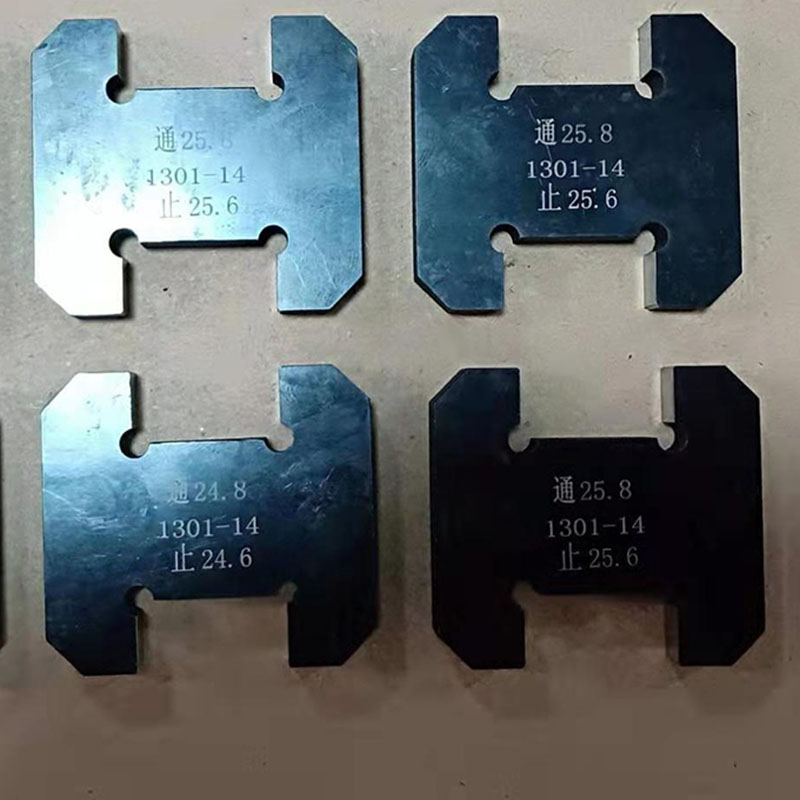
The 90-degree angle ruler, also known as a right angle ruler, is an essential tool in various fields
Versatile 5x10 Foot Welding Table for Efficient Metalworking Projects and Fabrication
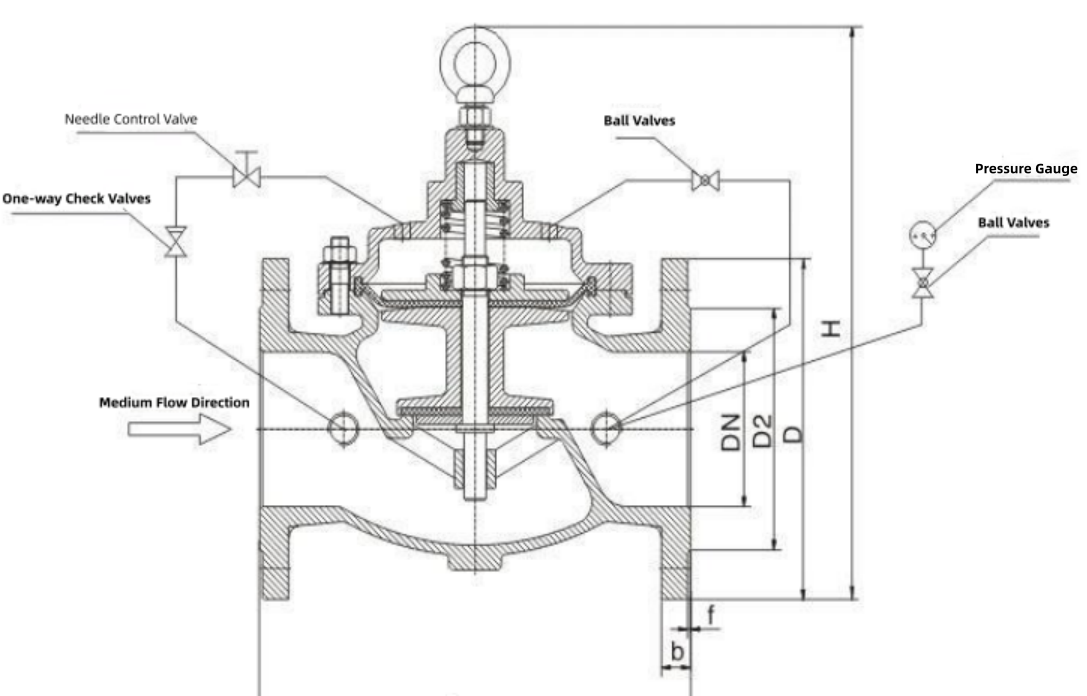
The Importance of a 5x10% Welding Table in Modern Metal Fabrication Welding is an essential process

Water Hose Valve Options for Efficient Gardening and Outdoor Watering Solutions
Understanding the Water Hose Valve A Key Component for Efficient Water Management In the modern worl
 English